Songkran is the Thai New Year, 13–15 April, celebrated with three days of water fights, temple rituals and family travel. It is the biggest holiday in Thailand and the most disruptive: roads are jammed, shops close and everything gets wet.
The short version
- 13–15 April nationwide, with local variations that extend it to a week.
- Book accommodation two to three months ahead; prices peak.
- Protect phones and documents in a dry bag — everything gets soaked.
- Do not throw water at monks, the elderly or people clearly not participating.
What actually happens
Songkran runs 13–15 April. Cities close roads, everyone carries water, and the country effectively stops for a week as people return to their home provinces.
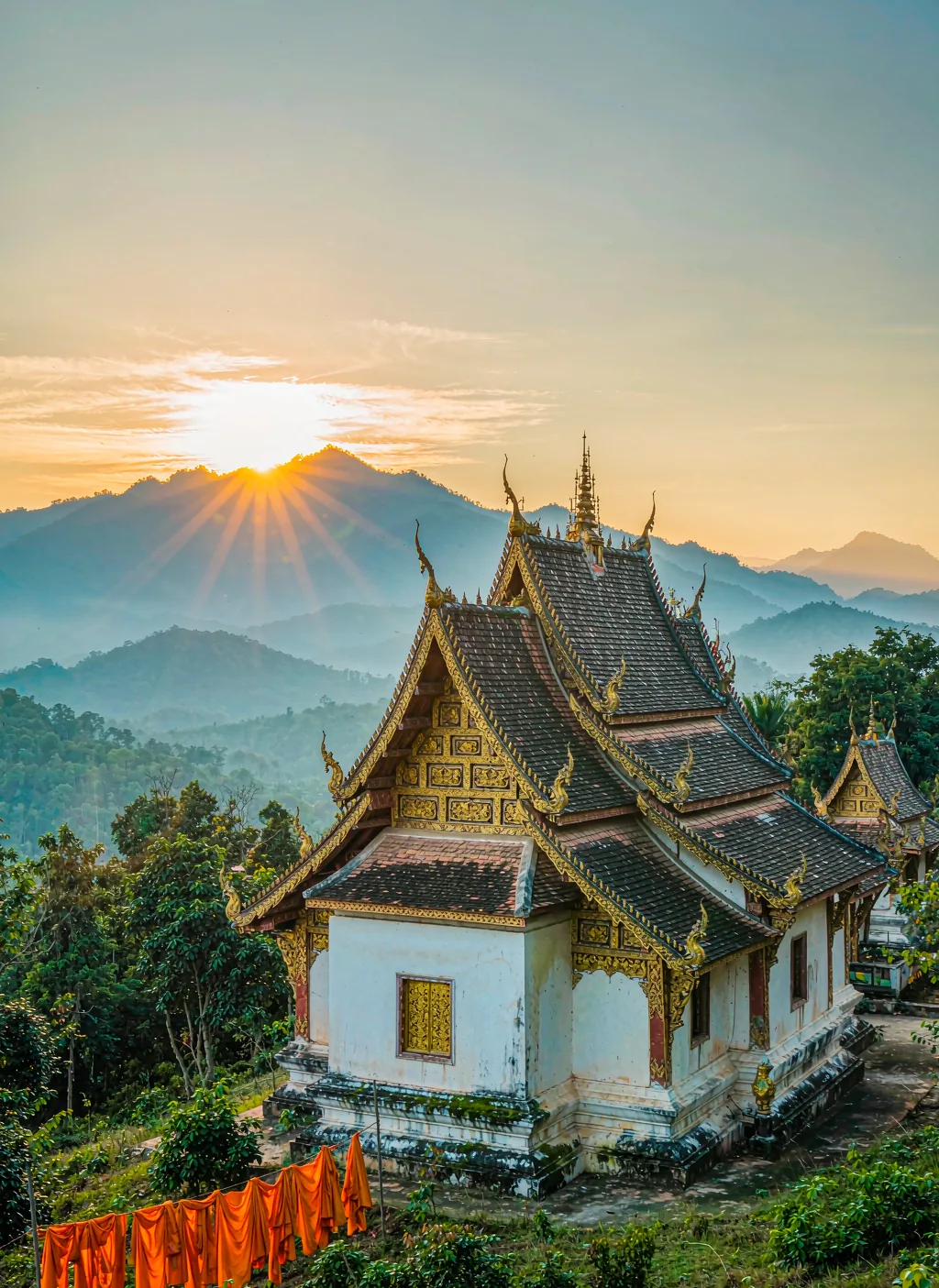
Behind the water fights there is a religious festival: pouring water over Buddha images, cleaning houses, and paying respect to elders.
Where to be
Chiang Mai has the biggest and longest celebration — four or five days, and the moat becomes the water supply. Bangkok's Silom Road is intense and central.
If you want the ritual rather than the party, go to a temple in the morning and stay off the main roads in the afternoon.
Practical notes
Book hotels months ahead, expect transport to be slow, and put everything in a dry bag. Do not drive a scooter during Songkran.
Dress for water and expect to be soaked within ten minutes of leaving the hotel.
If you would rather avoid it
Songkran is easy to avoid if you plan around it, and there is no shame in wanting to. The dates are fixed — 13 to 15 April nationwide, with some provinces extending to a week — so simply travel outside that window or to a place that does not celebrate hard.
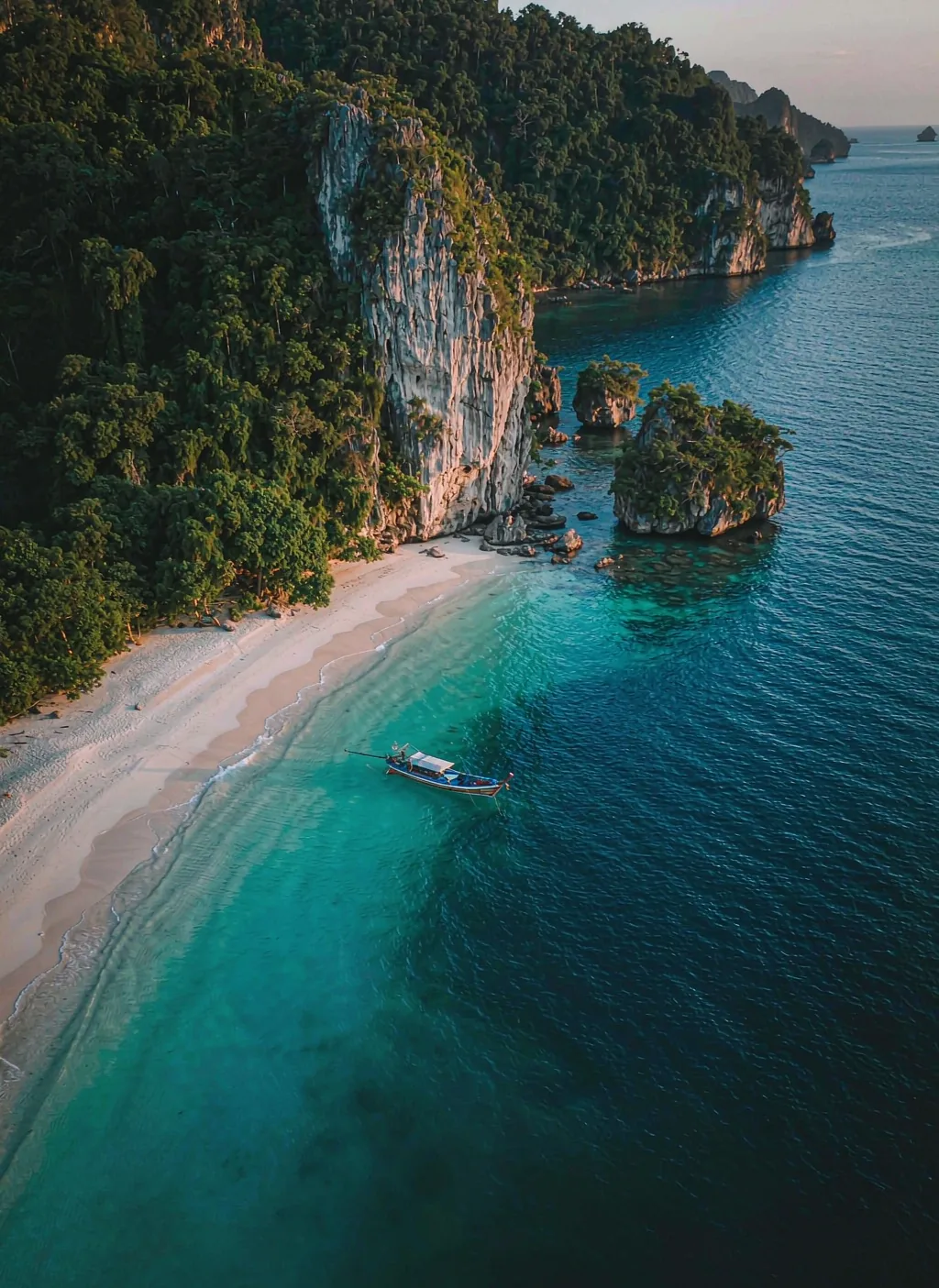
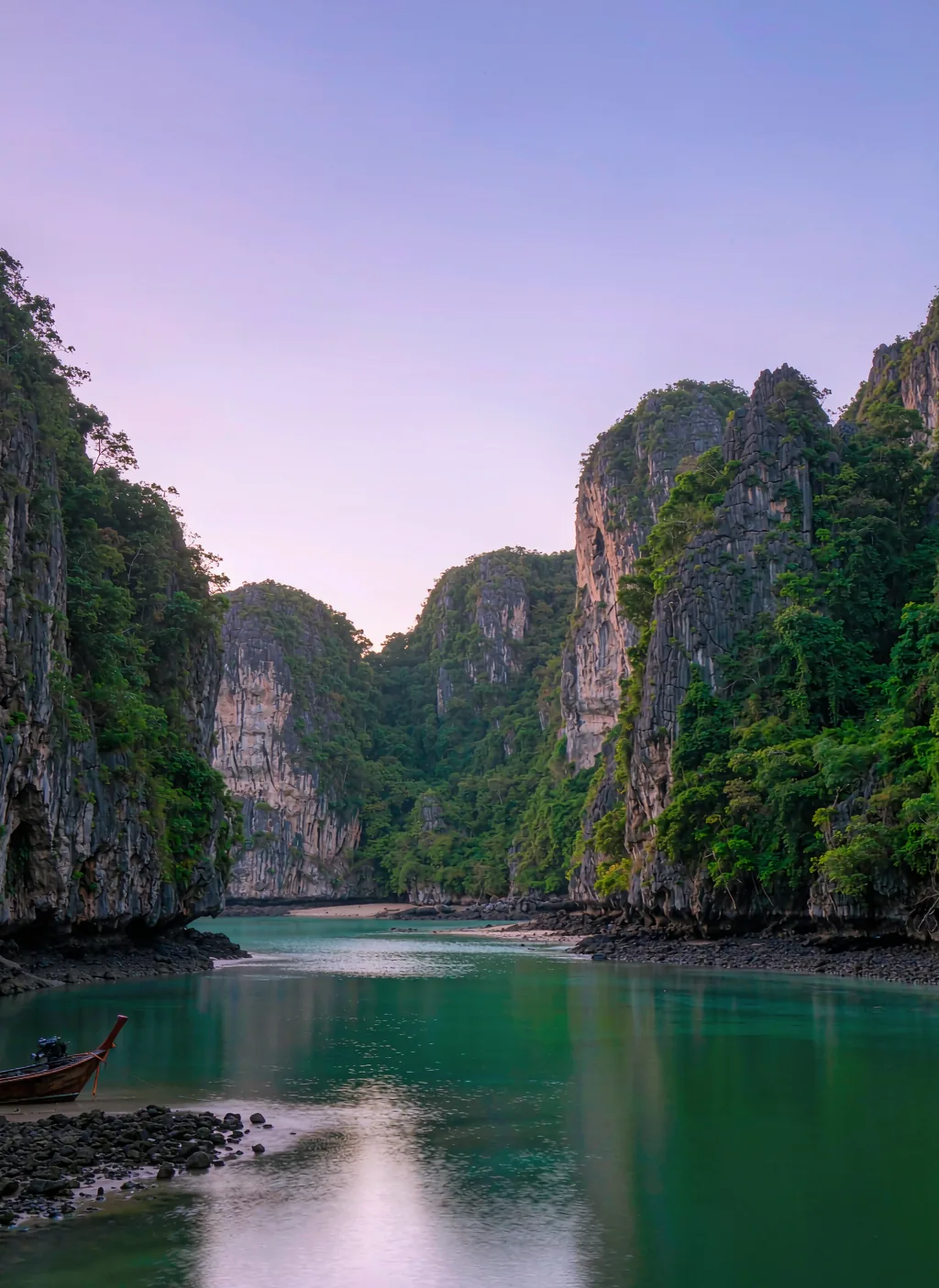
The quietest options during Songkran are the deep south (Krabi, Trang, Satun), the Andaman islands, and most national parks. The loudest are Chiang Mai (the biggest and longest), Bangkok's Silom Road, and Pattaya, where the water fights run for a week.
If you are in the country but not participating, expect transport to be disrupted on the 13th and 14th, many shops to close, and hotel prices to peak. Do not drive in the cities — the accident rate spikes, and a wet road plus a pickup full of water and a scooter is the reason why.