Food & cooking
Street stalls, market tours and cooking classes in family kitchens. Thai food is regional — what you learn in Chiang Mai is not what you eat in Krabi.
Thai food is regional, not national: northern food is sour and herbal, Isaan food is fiery and fermented, southern food is coconut-rich and hot, central food is the sweet-sour balance most visitors recognise. A cooking class costs 1,200–2,500 baht and should start at a market.
We build food into itineraries rather than bolting it on: a market walk before a cooking class, a curry paste pounded from scratch, a dinner at the stall a guide has used since childhood.
If you have dietary restrictions, say so early. Vegetarian, gluten-free and halal are all workable in Thailand, but they need to be planned into the specific restaurants rather than improvised on the night.
The regional distinction is the thing most visitors miss. A khao soi in Chiang Mai, a som tam in Khon Kaen and a gaeng som in Hat Yai are barely the same cuisine — different pastes, different ferments, different heat levels. Eating across regions over two weeks is more interesting than eating in one city for two weeks.
A cooking class is worth doing once, and the market visit is the reason. Learning to make green curry in a purpose-built kitchen teaches you a recipe; buying the paste ingredients in a wet market teaches you what to look for, which is the part that survives the flight home. Ask whether the class starts at a market before you book.
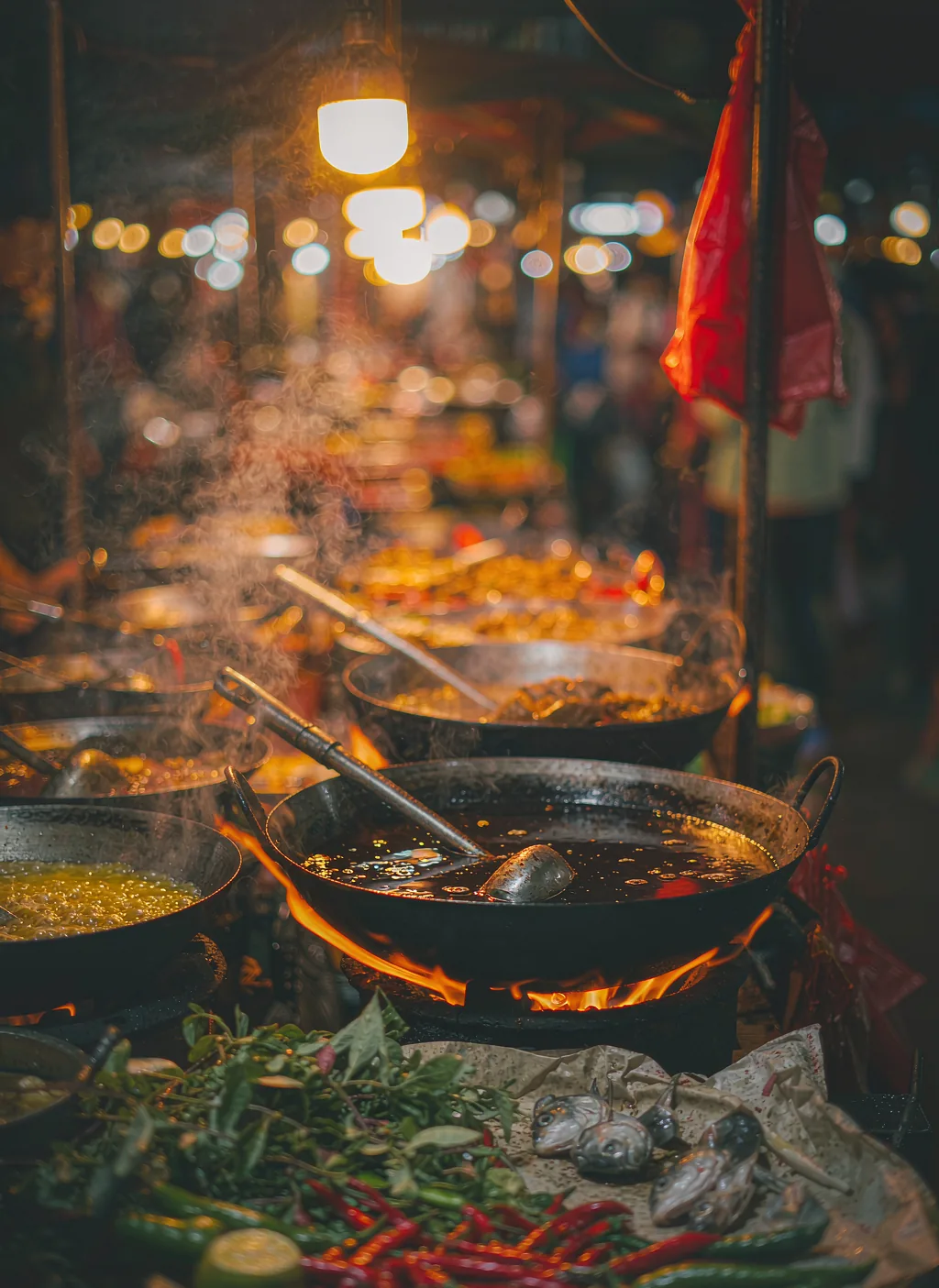
Street food is where the value is. A bowl of noodles from a cart costs 50–70 baht and is usually better than the same dish in a restaurant at four times the price, because the cart does one thing. The reliable signal is a queue of locals at 11:30am, not a TripAdvisor sticker.
Mistakes worth avoiding
- Asking for 'not spicy' and receiving something still hot — say 'mai phet' and expect it to be relative
- Only eating in restaurants and skipping the carts, which is where the actual cooking is
- Doing a cooking class without the market visit, which is the part worth paying for
Is it worth it?
Worth building at least one day around. Food is the most accessible way into the country and the cheapest. A market walk plus a cooking class plus two street-food evenings will teach you more about Thailand than a week of temples.
Places that make it work
 Market
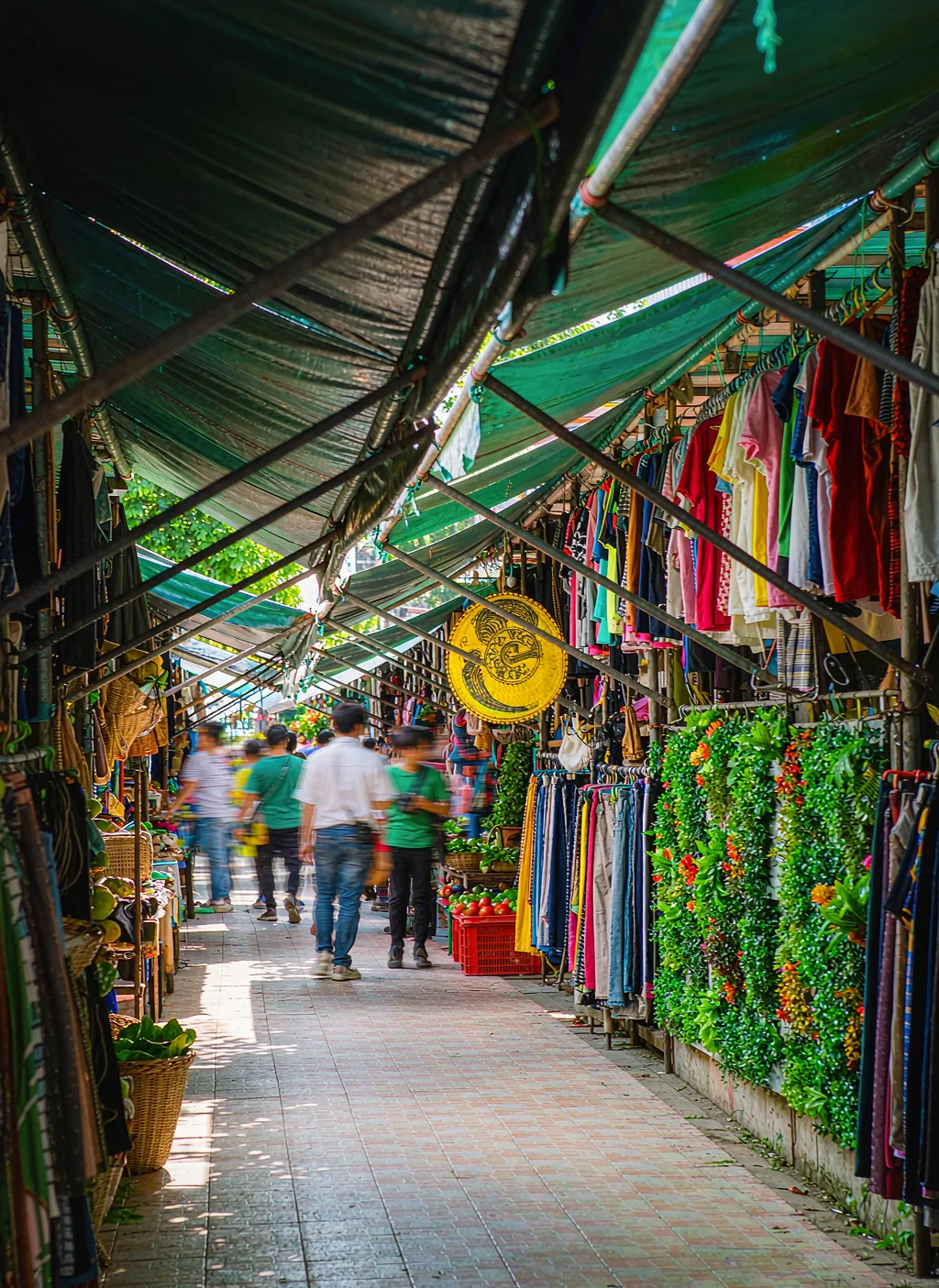
Chatuchak Weekend Market
Fifteen thousand stalls across 27 sections, from vintage denim to orchids, plus more food than anyone can reason…
 Market
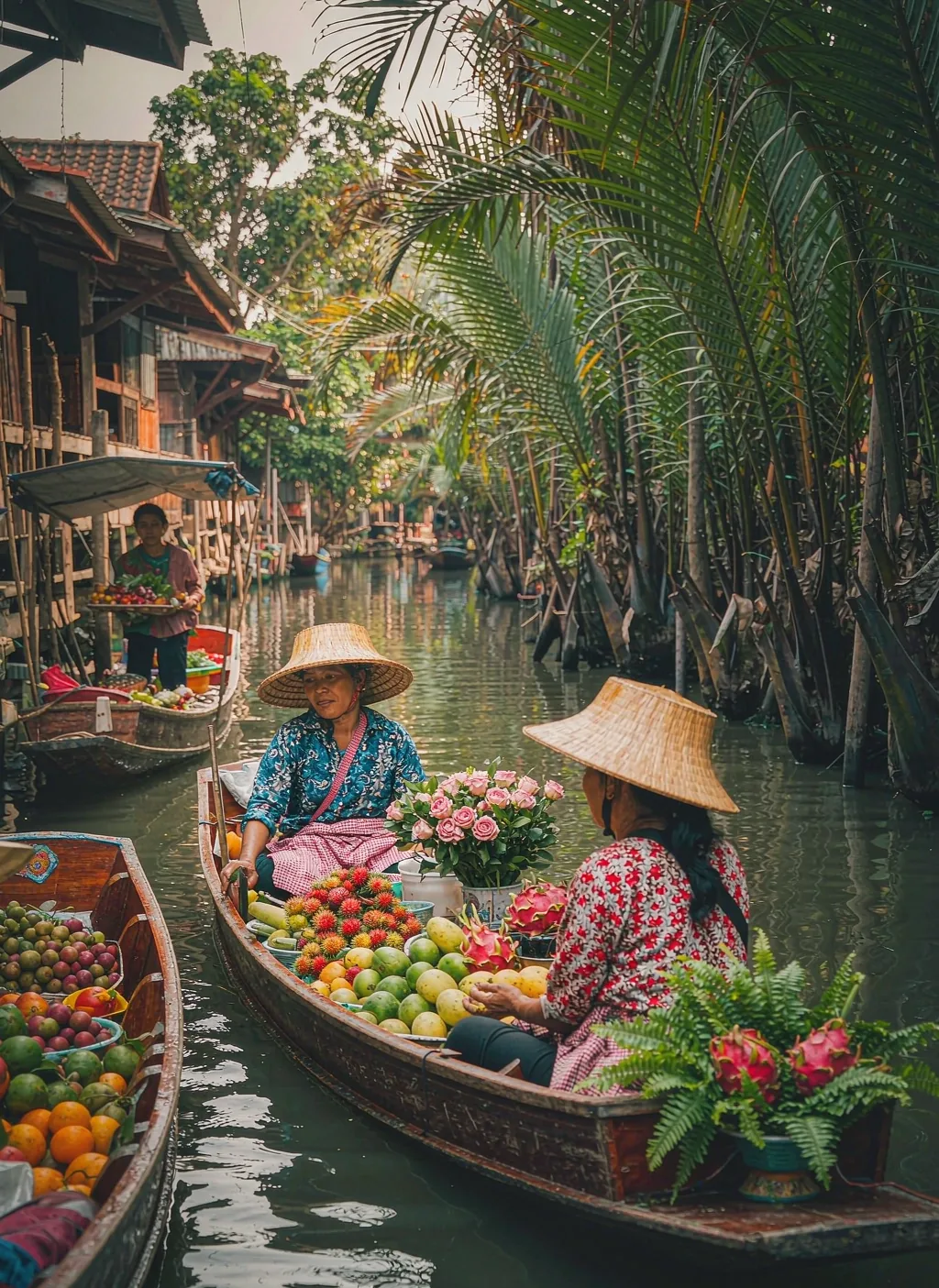
Damnoen Saduak Floating Market
The classic floating market, an hour and a half west of Bangkok: narrow canals, fruit boats and vendors who have…
 Market
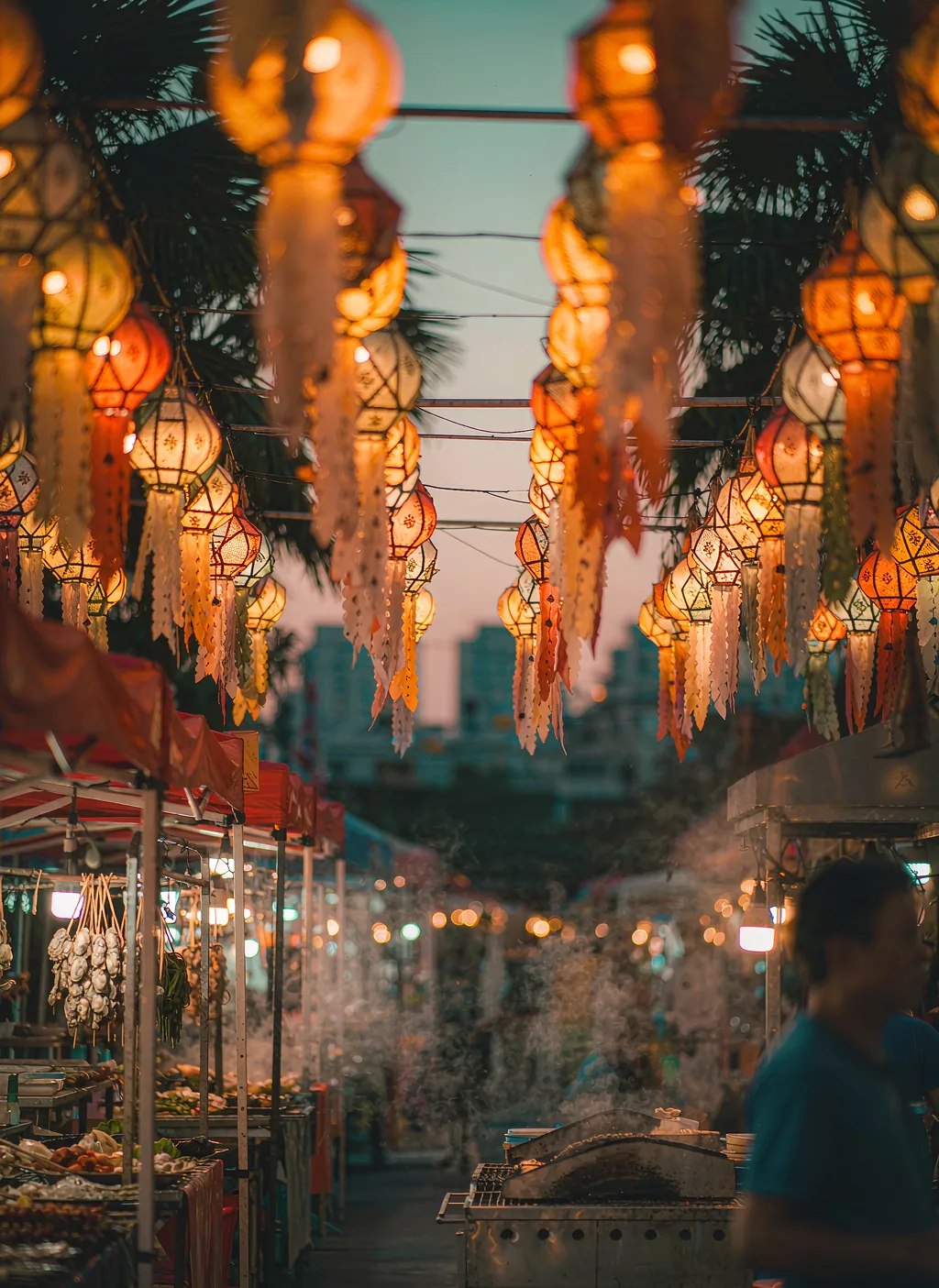
Sunday Walking Street
A kilometre of Ratchadamnoen Road closed to traffic every Sunday evening, filled with crafts, food stalls and te…
 Neighbourhood
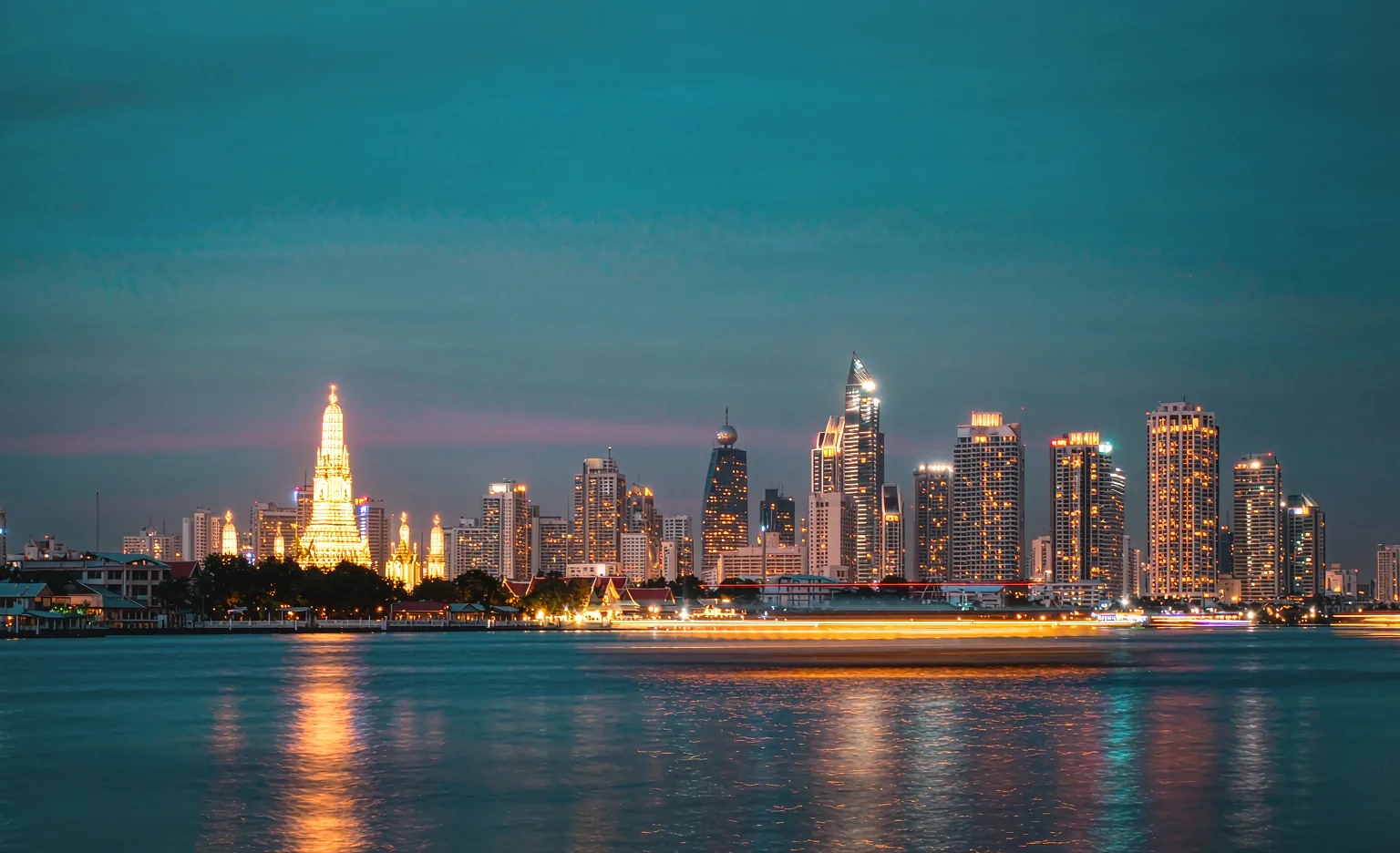
Phuket Old Town
Sino-Portuguese shophouses, cafés, galleries and the Sunday Lard Yai market on Thalang Road.…
Market
Asiatique the Riverfront
A riverside night market in old warehouses, with a Ferris wheel, restaurants and a free ferry from Saphan Taksin…
 Temple
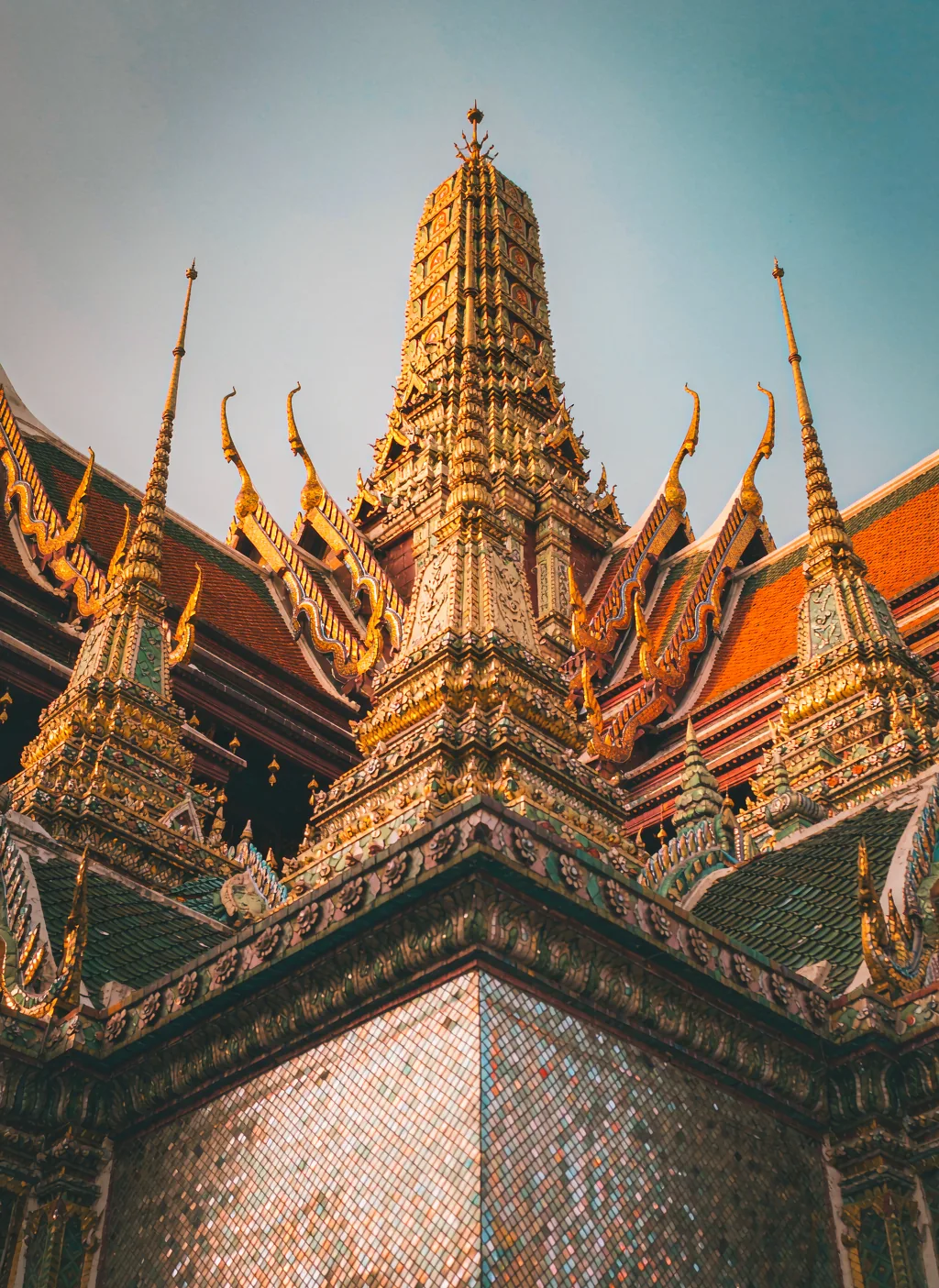
Wat Traimit & Chinatown
A five-and-a-half-tonne solid gold Buddha, hidden under plaster for centuries, at the gate of Bangkok's Chinatow…
Tours built around it
 Bestseller
4.9 (145)
Bestseller
4.9 (145)
Thailand Highlights
Bangkok · Ayutthaya · Chiang Mai · Phuket
 Bestseller
4.9 (90)
Bestseller
4.9 (90)
Northern Kingdoms
Bangkok · Sukhothai · Chiang Mai
 Bestseller
4.9 (180)
Bestseller
4.9 (180)
Siam in Slow Motion
Bangkok · Chiang Mai · Krabi
Private
4.9 (160)
Bangkok & the River Kwai
Bangkok · Kanchanaburi
 Private
4.9 (60)
Private
4.9 (60)
Chiang Mai & Chiang Rai Loop
Chiang Mai · Chiang Rai
Private
4.9 (125)
Bangkok Street Food After Dark
Bangkok
Common questions
Depends what you want: the north for khao soi and sai ua, Isaan for som tam and grilled chicken, the south for crab curry and massaman, Bangkok for everything at once.
Yes with care. Fish sauce and shrimp paste are in almost everything, so ask for 'jay' (vegan) food, which is marked with yellow flags during festival weeks.
1,200–2,500 baht for a half day including a market visit and four dishes. Anything under 900 baht is usually a demonstration rather than hands-on.
Last updated: October 2026 · JoyoTour editorial team